Man and Van Drivers in Westminster
Westminster sits at the very heart of London, covering the West End, Whitehall, and a swathe of the capital's most famous streets, from Mayfair and Soho to Pimlico, Marylebone, and Paddington. It is the seat of government, a global commercial and cultural centre, and home to some of the most expensive residential streets in the country, all packed into a dense, intensely busy area. The van work here is shaped above all by access and charges. In Westminster, customers use VanHub UK to find drivers for house moves, flat moves and smaller private removals, single item work, courier runs, rubbish removal, store pickups and other practical van jobs.
What Van Work Looks Like Here
Residential moves are a major part of the work, and the housing is overwhelmingly flats: mansion blocks, period conversions, and high-value apartments across Mayfair, Belgravia, Pimlico, Marylebone, and Maida Vale, alongside estates and a large rented sector. Flat moves and single item collections for furniture, appliances and awkward bulky items dominate, with constant churn from an internationally mobile, high-value market. Many jobs need extra care given the value of the contents and the buildings, especially where lifts, concierge access, service entrances, or protected flooring are involved.
The commercial side is enormous. The West End is the busiest retail and entertainment district in the country, Whitehall and Victoria are full of offices and government buildings, and the hotels, restaurants, and venues run around the clock. This generates business-moving, last-mile delivery, and collection work, much of it tightly scheduled around delivery windows and restricted hours. For shops, offices, venues and hospitality sites, commercial courier work and timed business collections are often more realistic than treating the job like a simple domestic move.
Traffic, Access and Timing
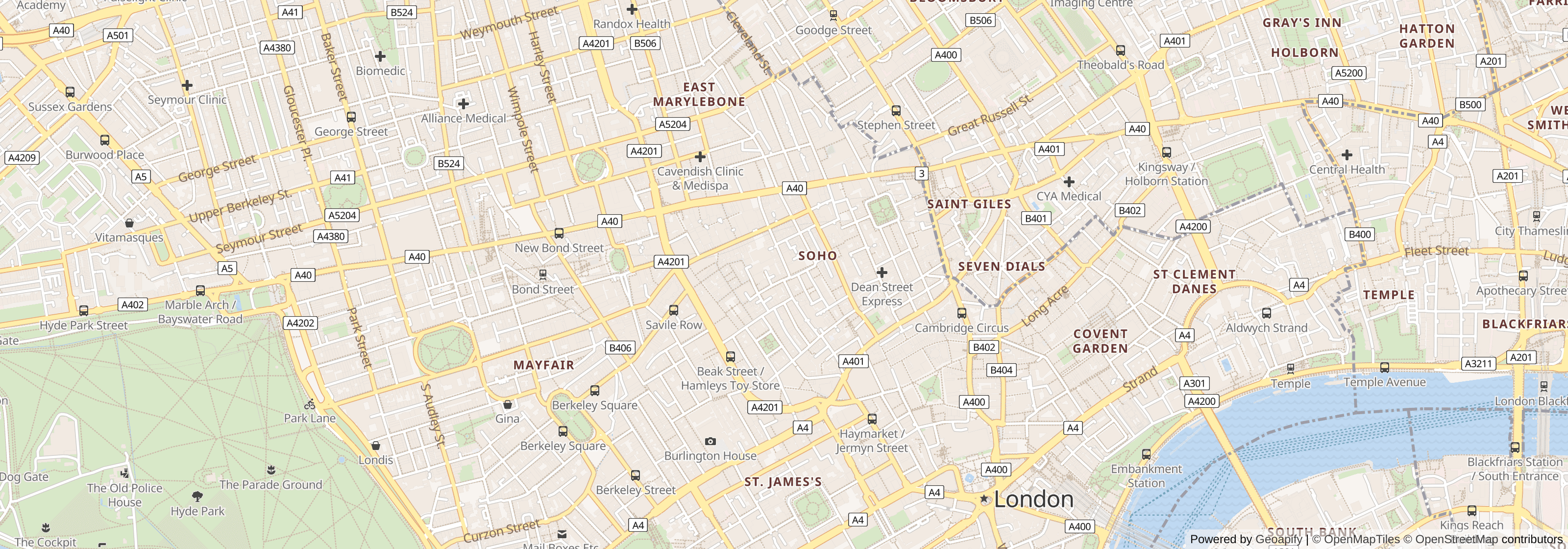
Westminster has no motorway, and access is the defining challenge for any van job. The A4 runs west toward Hammersmith and Heathrow, the A40 and the A501 Marylebone Road form the northern edge as part of the Inner Ring Road, and the A302 and Embankment carry traffic around Victoria and the river. These are heavily congested, with red routes, bus lanes, and loading restrictions throughout. A smaller van is not always enough on its own, so customers should still check what size van is actually needed for the load and the access before booking.
The charges are central here. Most of the borough lies within the central London Congestion Charge zone, which applies to nearly all vehicles regardless of emissions, so a job in the West End, Whitehall, Mayfair, or Victoria can attract the daily Congestion Charge. On top of that, the whole borough lies within the Ultra Low Emission Zone, so a van that does not meet the emissions standard may need to pay the daily ULEZ charge as well. Parking is heavily controlled, loading is time-restricted, and many streets are narrow and busy, so it is worth reading the common mistakes people make when hiring a van driver before arranging a Westminster job.
Common Work Types
Residential moves lead the way, from Mayfair and Belgravia mansion blocks to Pimlico and Marylebone flats and Paddington conversions. Single item collections are especially common, with furniture, antiques, appliances, and high-value items moving across the borough daily, often needing careful handling. For valuable, fragile or awkward items, packing fragile items properly before a van move can make the difference between a clean collection and a stressful one.
The West End and the commercial districts bring constant business moves, deliveries, and collections. Rubbish removal and clearance work needs the right waste checks before anything is taken away. VanHub UK's general waste collection and clearance page explains what customers should check before arranging rubbish removal through an independent driver.
Finding the Right Driver
VanHub UK may list drivers across Westminster and the surrounding central London area depending on current coverage. Because the access here is demanding, it is worth confirming a driver is comfortable with the charging zones, loading restrictions, parking constraints, and timed access before the day.
Do not leave the basics until moving day: the van size needed, building and parking access at both ends, any lift or loading-bay arrangements and timed delivery windows, whether the job falls within the Congestion Charge zone, and whether you will need a hand with stairs or heavy items. Our guide on whether the job needs one person or a two-person team is useful for Westminster flats, stairs and larger furniture.
Driver Listings
Where VanHub UK shows drivers for Westminster or nearby central London, Services differ from one driver to the next. Customers should read the profile, confirm insurance where relevant, check equipment such as straps, blankets, trolleys or ramps, and agree the access plan before getting in touch.
Neighbouring Counties
Westminster borders Camden, the City of London, Kensington and Chelsea, and Brent, and sits across the river from Lambeth, Southwark, and Wandsworth. Drivers may accept work across these boundaries. For work starting or ending over the border, nearby listings in Camden, Kensington and Chelsea, Lambeth, and the City of London may be relevant.
Local References
TfL Congestion Charge zone, tfl.gov.uk
TfL Ultra Low Emission Zone, tfl.gov.uk
Westminster parking bay suspensions, westminster.gov.uk
Driver coverage across Westminster changes with the drivers active in the area. Where the page has no nearby listing, coverage may come from a neighbouring town.