
Population
EH1 to EH3 districts
Denser than the city figure suggests and most of it lives above ground floor. Flats over shops on the Royal Mile, tenements off the Cowgate and Georgian upper floors in the New Town all mean stairs and no lift.
View currently listed drivers
Old Town closes, New Town crescents and controlled city streets make Edinburgh moves a test of timing, access and patience.
Browse every VanHub town page in this county.


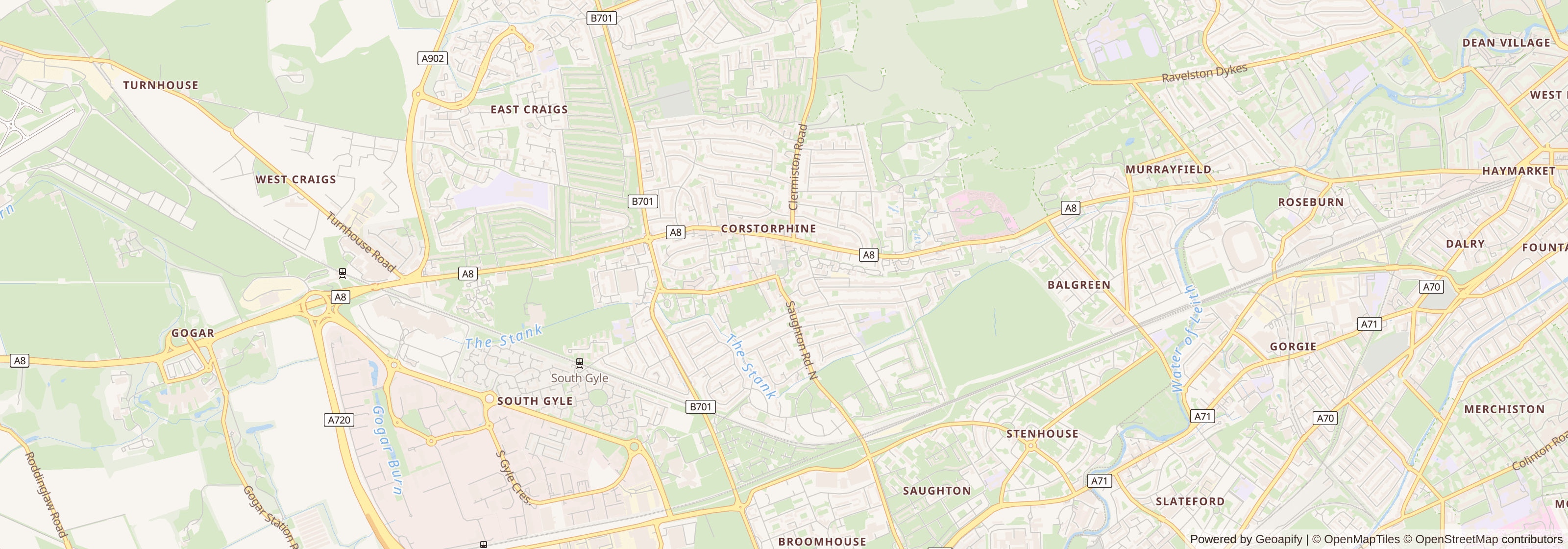

Edinburgh City Centre needs treating differently from a normal town page. A short van job around Waverley, the Royal Mile, Princes Street or George Street can still be awkward if the stopping point, stair access or handover is not clear. The Old Town, New Town, station side and hotel streets all sit close together, but they do not work the same way for a van.
Around the Royal Mile, Cowgate, Grassmarket and the smaller lanes off the High Street, the issue is often less about distance and more about where the van can pause. A flat up a close, a delivery to a short-stay apartment, or a sofa coming out of an older stair can need more carrying than the map suggests. Floor level, stair turns, door codes and key collection points should be clear before anyone agrees the job. If the load is not obvious from the address alone, clearance work gives the driver a clearer starting point.
The old centre can also catch people out because a light job on paper can still involve cobbles, steps, tour groups, delivery windows and no useful waiting space. A chest of drawers from a second-floor holiday flat is different from a boxed item collected at ground level. If the load is heavy or awkward, the stopping point and the route from doorway to van matter as much as the item itself.
The New Town brings a different kind of problem. Georgian streets, basement flats, shared entrances, office addresses and controlled parking can make a small job slow if the loading bay or nearest legal stopping point is guessed. For shop, hotel or office work, the enquiry should include the reception desk, goods entrance, lift size, closing time and whether the item is already packed or still inside a room. If the work involves more than a simple collection, small rubbish clearances keep the request closer to the real job.
Princes Street and George Street are not usually places where a van can simply pull up for as long as it likes. Side streets, service doors and timed deliveries may be part of the plan. If a job involves stock, display stands, office chairs, archive boxes or hotel furniture, the person booking should know who will meet the van and whether staff on site are allowed to help.
Waverley sits in a dip between the Old Town and New Town, and Edinburgh Trams now run through the centre and out towards Leith and Newhaven. Add festival periods, roadworks, school traffic, Christmas markets or event days, and a quick collection can lose time before loading starts. Early morning, fixed access windows and clear contact details usually help more than vague instructions such as “park outside”. If the move is price-sensitive, keeping moving costs down starts with an honest item list and clear access notes.
City-centre work also needs a realistic view of van size. A large Luton may be right for a flat move, but it can be a poor fit for narrow streets, tight turns or awkward loading areas. A smaller van with fewer items might make more sense where the carry is short and the job is mainly boxes, bags, small furniture or student belongings.
VanHub UK should not be read as a guaranteed city-centre fleet. The page is useful as a way to check available driver options or send the job in with enough detail for nearby help to be considered. For Edinburgh City Centre, the best enquiry gives the building name, floor level, lift details, loading restrictions, item size, photos where useful, and the exact time the property or business can be accessed.