



Population
Around 23,000
Shetland is the UK's northernmost island group, about 23,000 people, closer to Norway than to Edinburgh. Ferries, flights, fishing and the oil and gas sector shape every job here.

Select your area to see available drivers near you.
Shetland is a county where the normal mainland assumptions do not work. Lerwick is the main town and service centre, but the islands, ferry links and distance from mainland Scotland shape almost every van job. A customer may need help with one item collections, house moves, store deliveries, local courier runs or clearance work, but the practical question is often whether the job is on Mainland Shetland, another inhabited island, or part of a mainland transfer through Aberdeen.
Shetland is not a simple county drive. The Mainland carries most of the population and services, while places such as Yell, Unst, Fetlar, Bressay and Whalsay bring ferry planning into the job. Even a small load can become a half-day or full-day run once sailing times, waiting time and return legs are included. Customers should make clear whether the driver is expected to use inter-island ferries, meet goods at a harbour, collect from a property, or only handle the final local leg. A vague mainland-style enquiry is unlikely to give a fair price here.
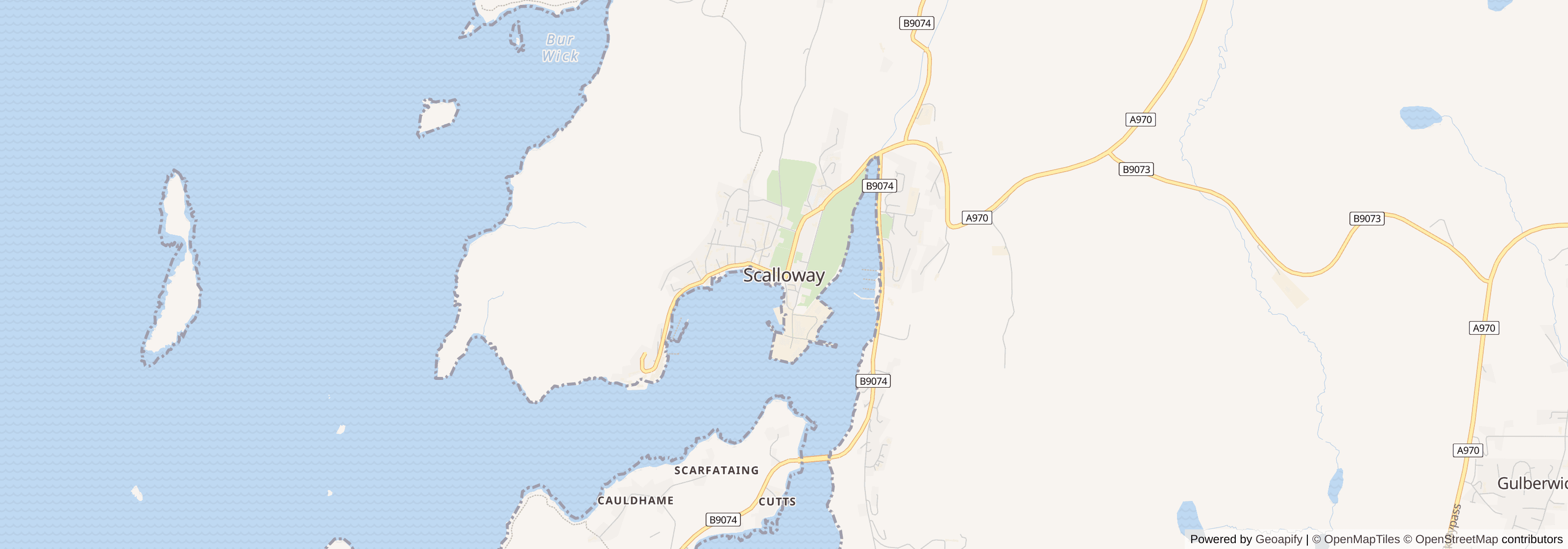
Residential work around Lerwick, Scalloway and the larger settlements can include flat moves, furniture swaps and smaller household loads. For bigger moves, private removals need careful planning because replacement trips are not easy and weather can affect ferry schedules. Store collection work is often less about a nearby retail park and more about goods arriving by ferry, courier handover or arranged delivery. Where the load is modest but travelling a long way, part-load removals may be more realistic than treating it like an ordinary local move.
Shetland has fishing, aquaculture, public-sector, construction, tourism and energy-linked work, so van jobs can include equipment, documents, boxes and small commercial loads as well as domestic items. Use commercial courier support when the job is a timed business delivery, not a house move. For bulky waste, shed clearances or end-of-tenancy rubbish, the customer should check what is being taken, whether disposal is included and whether the person moving waste is registered where required. The guide on waste carrier checks is especially important when a remote job could otherwise leave the customer with no clear paper trail.
When asking for a price, include the island, nearest settlement, ferry route if relevant, item list, weight, dimensions, access and timing flexibility. For bulky or fragile goods, packing fragile items properly matters because island routes mean more handling risk than a short urban drive. Drivers also need to know whether the job involves stairs, pier collection, farm access, a timed ferry or overnight movement to or from the mainland. VanHub UK can help structure the enquiry, but the customer’s detail is what lets independent drivers judge whether they can realistically take the work.
For Shetland, official transport links are not decoration. The local ferry network, ferry FAQs and mainland ferry route are part of the job planning. The distance, weather, sailing times and handover points are the useful substance.
A Shetland enquiry needs to explain the whole movement, not just the pickup postcode. If the goods arrive by freight ferry, the driver may only handle the island leg. If the move is between islands, the driver needs to plan around sailings and waiting time. If the job connects to Aberdeen, the customer should say whether the driver is expected to travel with the load, meet a ferry, or coordinate with another carrier.
Storage and handover arrangements are more important here than in a typical mainland town. A customer may need items held briefly, collected from a pier, dropped at a business address, moved from a house to temporary storage, or handled around ferry disruption. Customers should describe whether the goods are boxed, palletised, loose, fragile, weather-sensitive or heavy. On island jobs, a weak inventory creates risk because a driver cannot easily go back for a second load or change the plan at short notice.
The useful depth comes from ferries, distances, island handovers, remote communities, business deliveries, waste responsibility and the difference between a local Lerwick job and a mainland-linked move.
Shetland Islands official checks:
ZetTrans public transport and ferry information, zettrans.org.uk
Shetland Islands Council ferry FAQs, shetland.gov.uk
Getting to Shetland by ferry, shetland.org