Major Towns In
West Yorkshire
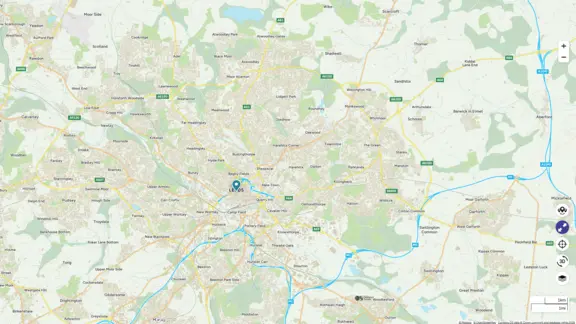
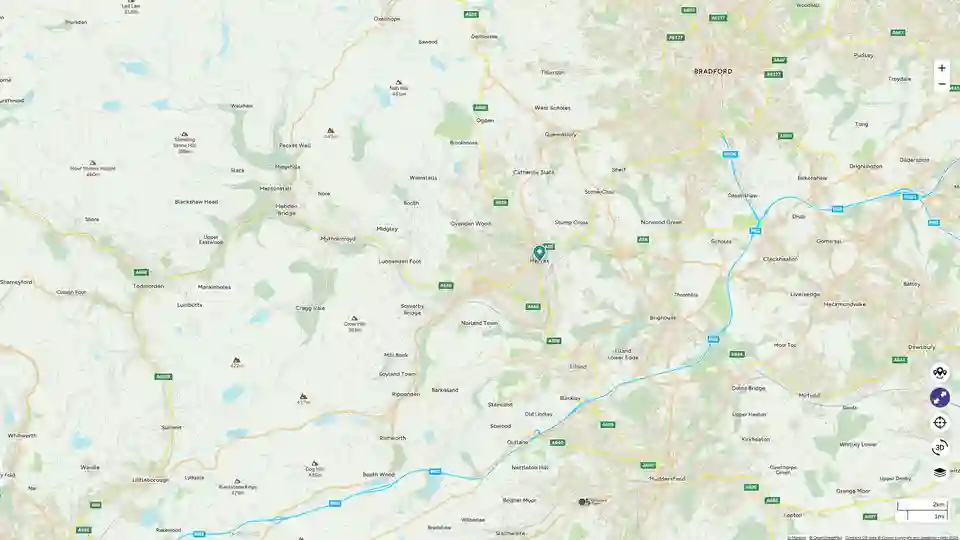
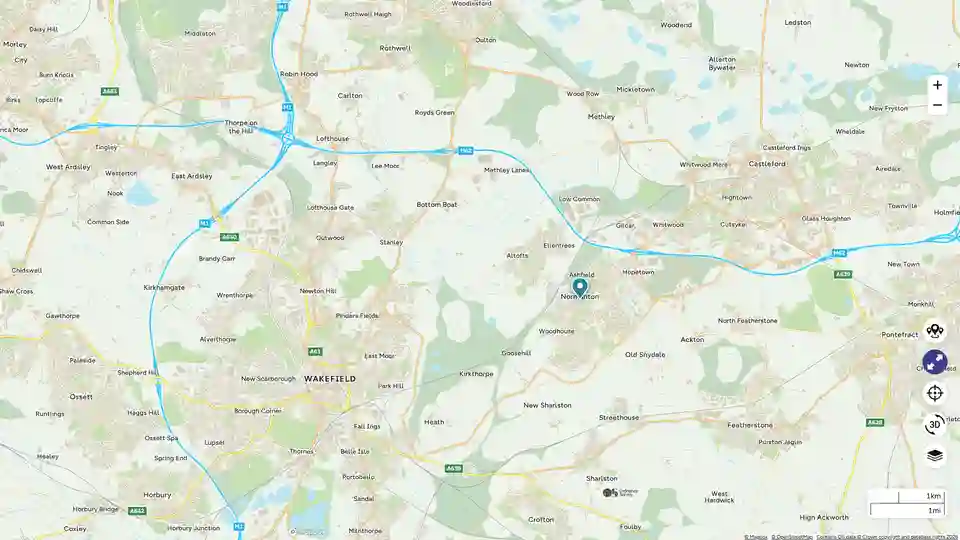
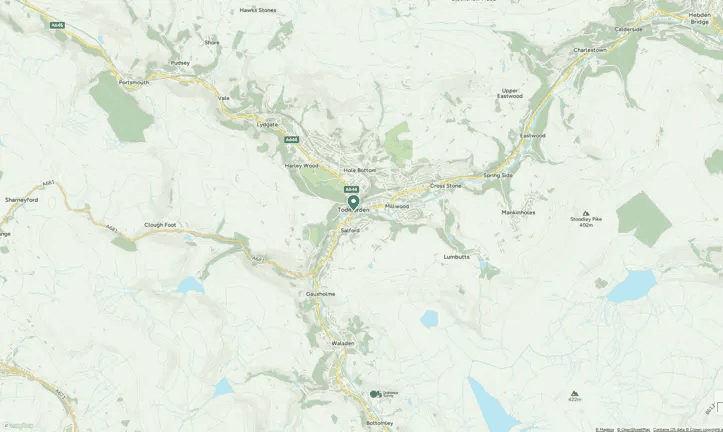
Select your area to see available drivers near you.
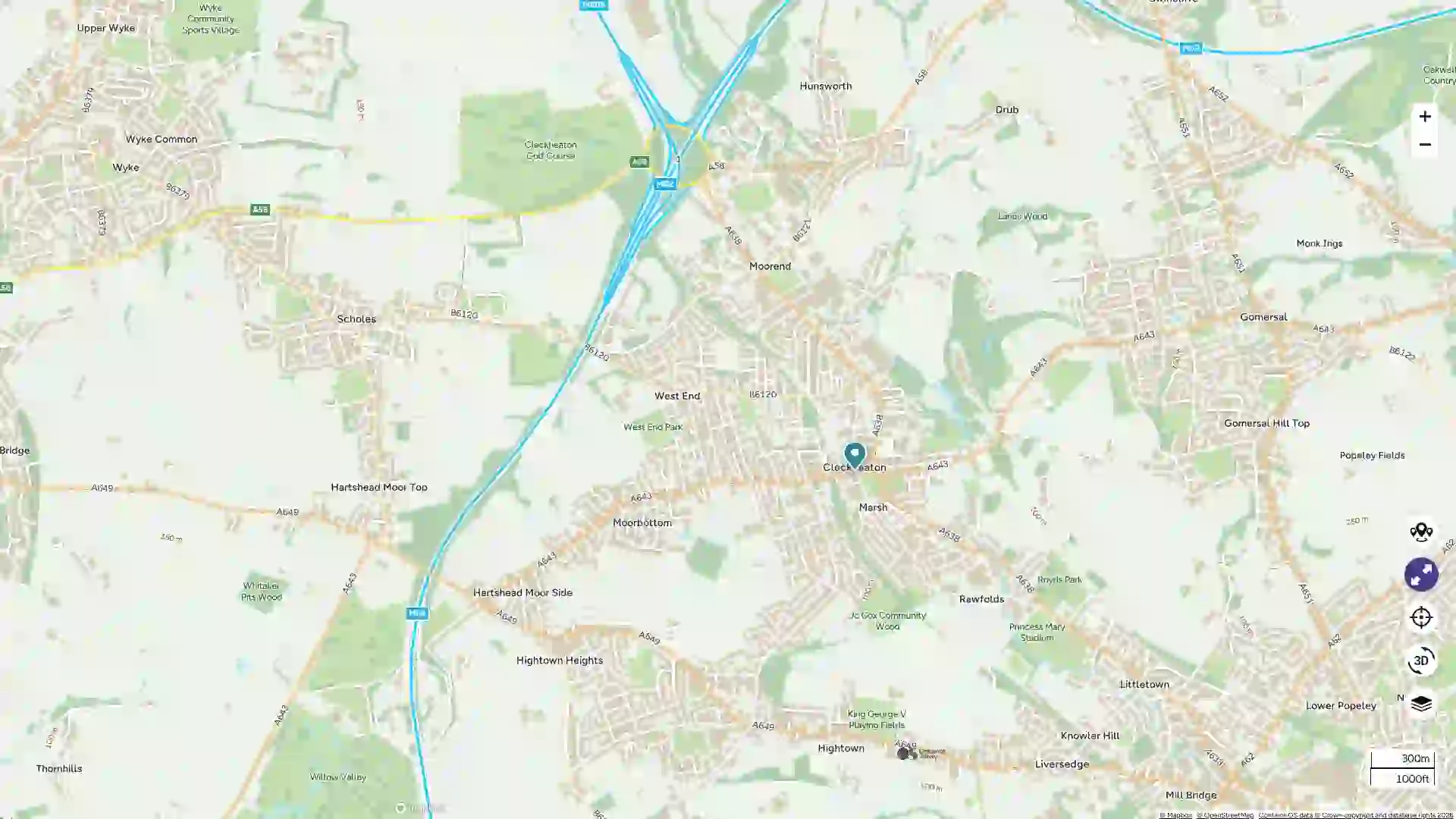
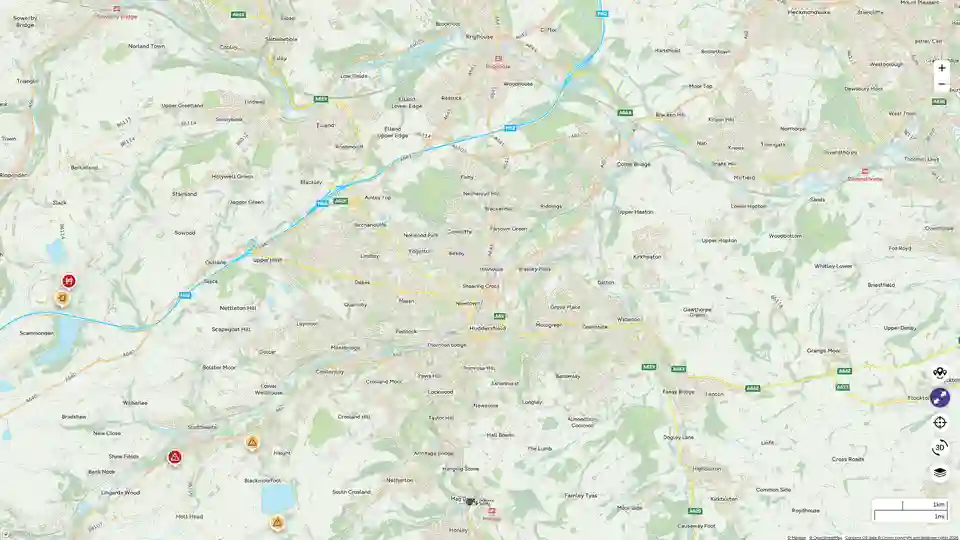
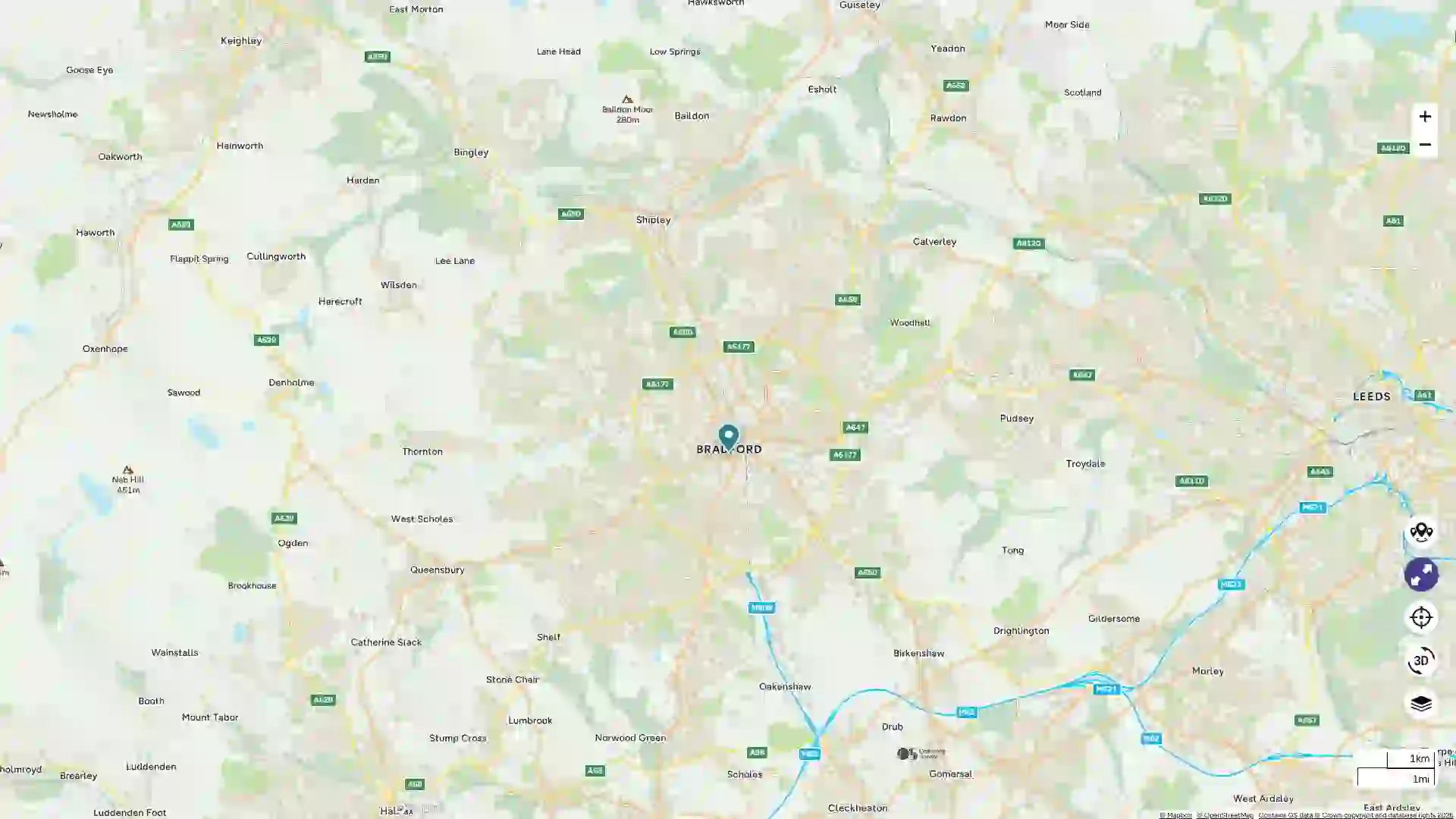
Neighbouring Counties
Featured Drivers in
West Yorkshire

Useful Information on
West Yorkshire
Population
Major Towns & Cities
Major Routes
Tolls & Charges
Traffic Pinch Points
Major Industrial Areas
Urban / Rural Split
Universities & Colleges
Major Retail Areas
Man and Van Drivers in West Yorkshire
Chain Bar on a Tuesday morning tells you everything you need to know about moving anything across West Yorkshire. Junction 26 pulls traffic in from Halifax, Bradford, and Leeds at the same time, and it does not care how full your van is or where you need to be. Getting the right driver, someone who knows these roads, makes more difference here than it does in areas with easier access and fewer pinch points. VanHub UK connects customers across West Yorkshire with independent local van drivers for house moves, flat moves, single item collections, courier runs, rubbish removal, store pickups, and other man and van work.
Roads and Getting Around
The M621 into south Leeds bogs down reliably at peak times. Schedule before half eight or after half nine and you will usually save twenty minutes and a fair amount of clutch work. The A1(M) past Pontefract is the alternative when Leeds is gridlocked. It routes north-south loads around the worst of it and most local drivers know when to use it.
West of Huddersfield the roads earn their keep differently. The A62 through Slaithwaite and the A646 up toward the upper valley towns add real journey time to a loaded van, with gradients that flatten out fuel economy and stretch what looks like a short trip on paper. The A58 over to Halifax is the same story. Drivers who work these routes regularly factor it in. Those who do not sometimes quote based on mileage alone and get caught out. Our guide on common mistakes when hiring a van driver covers what to check before confirming a booking.
Getting Into Leeds and Bradford
The Leeds Inner Ring Road is not forgiving. The A58(M) and A64(M) throw short slip roads at you with minimal warning. In a long-wheelbase Transit with a full load, you are making lane decisions faster than you would like. Inside the ring road, retail zones run timed loading. Miss the window and you are circling. Central Leeds is not somewhere you turn up and improvise.
Bradford is a different kind of difficult. The A6177 ring road does its job keeping through-traffic moving, but once you are inside it, especially around Manningham, Great Horton, and the streets climbing up from the city centre, you are into Victorian terraces, parked cars on both sides, and gradients that test the handbrake at every stop. Bradford's Clean Air Zone can affect non-compliant vans and light goods vehicles. Charges start from £9 a day depending on vehicle type, so it is worth checking the van before accepting or booking work inside the zone. Our guide on choosing the right van size is a useful starting point for anyone unsure what to book.
Wakefield and the Eastern Belt
The eastern side of the county is where the big sheds are. Wakefield Europort at Junction 31 of the M62 runs rail-linked warehousing with direct motorway access. The Freightliner Terminal at Stourton in south Leeds moves containers onto the national rail network. Between those points there is a steady churn of goods needing last-mile delivery to businesses, building sites, and front doors across the county.
Wakefield works as a distribution base because the M1, M62, and A1(M) are all within reach without the parking pressure and loading restrictions of central Leeds. Commercial collections and business deliveries are common job types across the Wakefield area. Our commercial courier service page covers what is typically involved.
Huddersfield, Dewsbury, Halifax and the Mill Towns
Dewsbury and Batley generate steady short-haul work, including small industrial units, manufacturing workshops, and textile businesses moving stock between production sites and local distribution points. Loads are typically smaller, distances shorter, and demand consistent. The mill towns west of Leeds share a similar pattern of practical, workaday van demand.
Halifax mixes Victorian terraced housing with street layouts that slow loading and unloading more than the address suggests. Single item moves are common here, including furniture collections, appliance deliveries, and marketplace purchases. Our single item collection service page explains how that typically works and what to prepare.
Store pickups are also common around retail parks and larger shopping areas, especially for furniture, appliances, and flat-pack items that will not fit in a car. Our store collection service page explains what customers should confirm before arranging a collection.
The upper valley towns west of Huddersfield are accessible, but they take longer than the mileage implies. That is worth factoring into any start time agreement. The Pennines add real distance to jobs that look short on a map.
Availability and Coverage
West Yorkshire has more drivers listed on VanHub UK than any other county, spread across the major towns and surrounding areas. Coverage is strongest in Leeds, Bradford, Huddersfield, Halifax, and Wakefield. In smaller or more rural parts of the county, a nearby driver may still be able to reach you, but it is worth checking availability in advance rather than assuming. For larger or more complex jobs, our guide on man and van versus a removal company explains when each option makes more sense.
Customers should confirm job details, access conditions, van size, and availability directly with the driver before booking. Whether extra help is needed, whether there are stairs or restricted access, and whether the job involves anything specialist are all worth raising before the day.
Rubbish Removal Across West Yorkshire
Clearance and waste work is a steady part of the van economy across West Yorkshire, from post-renovation rubbish and full house clearances to garden waste runs. Drivers taking on waste removal jobs should hold the correct waste carrier registration, and customers should confirm this before booking. Our general waste collection page covers what is involved and what to check before booking.
House Moves Across West Yorkshire
House moves are the most common job type across the county. From terraced streets in Bradford and Halifax to suburban semis around Leeds and Wakefield, the range of property types means access, parking, and van size all vary considerably.
Our house removals service page covers what to expect from a professional move and what to confirm with a driver before the day.
Find Drivers Across West Yorkshire
Independent drivers currently listed on VanHub UK in West Yorkshire include operators based in Leeds, Bradford, Huddersfield, Halifax, and Wakefield. Drivers vary in van size, services, and the work they take on. Check individual profiles and confirm suitability before booking.
If you are planning a house move, our complete moving house checklist covers the key steps from booking through to moving day.
Town Pages Across West Yorkshire
Local driver listings and town pages are available across West Yorkshire. If your town is not listed, a driver from a nearby area may still be able to help.
Nearby Counties for Cross-Border Jobs
West Yorkshire shares boundaries with six counties, and many drivers regularly take on work that crosses those borders, including collections, deliveries, and moves starting or ending outside the county. Our guide on one man or two covers when extra help makes a real difference to a job.
For collections or moves that reach into neighbouring areas, drivers may also be listed under Greater Manchester, South Yorkshire, North Yorkshire, Lancashire, Derbyshire, and East Yorkshire.
Sources
Bradford Clean Air Zone, bradford.gov.uk
Wakefield logistics and distribution sites, investwakefield.com
Freightliner Leeds Terminal, freightliner.co.uk
National Highways Yorkshire and North East roads, nationalhighways.co.uk
Let Us Find You a Driver
We still have access to drivers in the
town
area that have not yet signedup to the VanhubUK driver network. Let us
know what you need and we will source a local driver