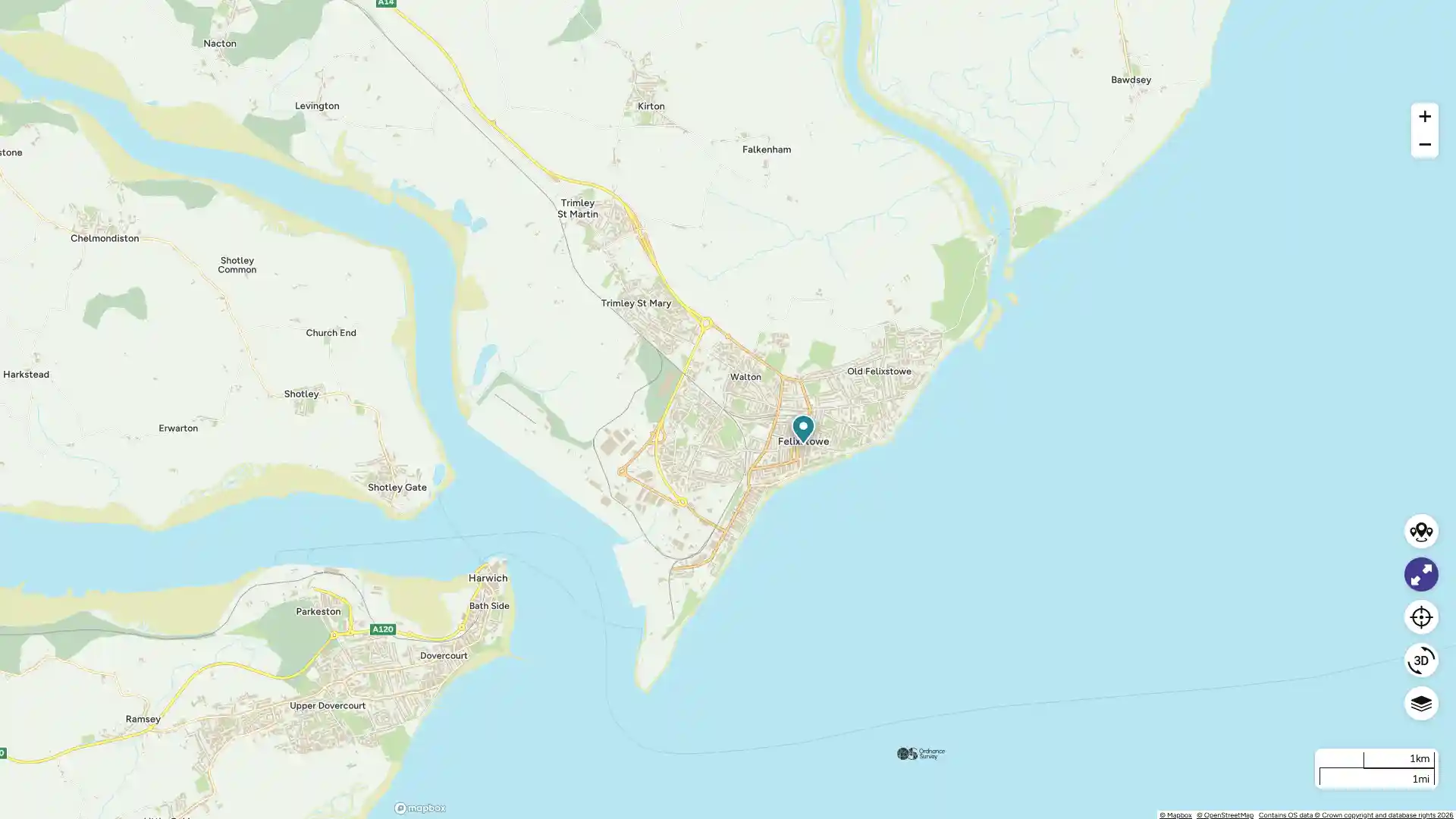
Major Towns In
Suffolk
Select your area to see available drivers near you.
Neighbouring Counties

Featured Drivers in
Suffolk
No Featured drivers here yet
Useful Information on
Suffolk
Population
Major Towns & Cities
Major Routes
Tolls & Charges
Traffic Pinch Points
Ports & Freight Links
Urban / Rural Split
Tourism Pressure
Seasonal Traffic Pressure
Man and Van Drivers in Suffolk
Suffolk is a large, largely rural county in East Anglia, running from the horse-racing town of Newmarket in the west across gentle farmland to the Heritage Coast and the busy container port of Felixstowe in the east. It has no motorways and a character that the main roads have been kept from spoiling, but it carries serious freight traffic and a steady spread of residential work across its towns and villages. VanHub UK connects customers across Suffolk with independent local van drivers for house moves and flat moves, single item collections for furniture and bulky items, courier runs, rubbish removal, store pickups, and other man and van work.
What Van Work Looks Like Here
Residential moves form the steady base, spread across the county's towns and a great many villages. Ipswich, the county town and largest centre, generates the densest demand, with a mix of terraced streets, suburban housing, and waterfront flats around the regenerated docks. Bury St Edmunds in the west and Lowestoft on the coast each anchor their own areas, and Newmarket, Stowmarket, Sudbury, and Woodbridge add to the spread.
Furniture moves and one-off bulky item collections are constant, often over longer distances given how rural much of the county is. The Heritage Coast around Southwold and Aldeburgh brings second-home and holiday-let demand with seasonal peaks, while the farming areas add scattered rural work. There is also a steady flow of moves into and out of the county.
Getting Around Suffolk
Suffolk runs on trunk and A roads rather than motorways. The A14 is the county's main artery, running from Cambridge through Newmarket, Bury St Edmunds, and Stowmarket to Ipswich and on to the Port of Felixstowe. As the road serving the country's principal container port, it carries heavy lorry traffic and can be slow and congested, and the Orwell Bridge at Ipswich is a known pinch point that closes in high winds.
The A12 runs up the east of the county from Essex through Ipswich, Woodbridge, and Saxmundham toward Lowestoft, giving access to the coast, so choosing the right van size for longer rural routes matters more than it first appears. The A11 crosses the northwest toward Norwich, and the A140 links Ipswich and Norwich. Away from these, the county is a web of single-carriageway A and B roads through farmland and along the coast, where jobs take longer than the mileage suggests.
Common Van Jobs in Suffolk
Residential moves lead the way, from Ipswich housing and market-town properties to coastal and village homes. Store collection services for furniture and appliances and furniture moves are constant across the county.
The Port of Felixstowe and the logistics activity around it bring commercial courier and business collection work, and the farming and coastal economies add their own seasonal and specialist demand. Clearance and rubbish removal jobs come up regularly; for those, check the driver carries valid waste carrier registration before the work is booked, and read the guide on rubbish removal versus skip hire if the load may be larger than expected.
Finding a Driver
VanHub UK may list drivers across Suffolk, with demand usually strongest around Ipswich, Bury St Edmunds, and the main towns. Out in the rural areas and along the coast a nearby driver may need to travel further, so confirming availability and likely travel time ahead is sensible for anything off the main routes.
It helps to agree the details with your chosen driver before the day: the van size needed, access at both ends, narrow lane and farm access in the rural parts, and whether you will need a hand with the heavy lifting, whether one man or two are needed for the job, or anything out of the ordinary.
Drivers Listed Here
Independent drivers currently listed on VanHub UK in Suffolk are based around the main towns. Each runs their own operation, so the vans, services, and types of job covered vary from one to the next; it is worth reading a profile before getting in touch and checking the common mistakes people make when hiring a van driver.
Nearby Counties
Suffolk borders Norfolk, Cambridgeshire, and Essex. Many drivers take on work that crosses these boundaries, especially private courier and last-mile delivery jobs. For collections or moves reaching into neighbouring areas, you may also find drivers listed under Norfolk, Cambridgeshire, and Essex.
Sources
Suffolk roadworks and road closures, suffolk.gov.uk
Orwell Bridge travel updates, nationalhighways.co.uk
Port of Felixstowe information, portoffelixstowe.co.uk
Let Us Find You a Driver
We still have access to drivers in the
town
area that have not yet signedup to the VanhubUK driver network. Let us
know what you need and we will source a local driver