Lincolnshire
Across Yellowbelly country, from fen roads to market towns, the distance can fool you long before the job does.
Lincolnshire
Useful Information on
Lincolnshire

Population

Major Towns & Cities

Major Routes

Tolls & Charges

Traffic Pinch Points

Ports & Freight Links

Urban / Rural Split

Tourism Pressure

Seasonal Traffic Pressure
Man and Van Services in Lincolnshire
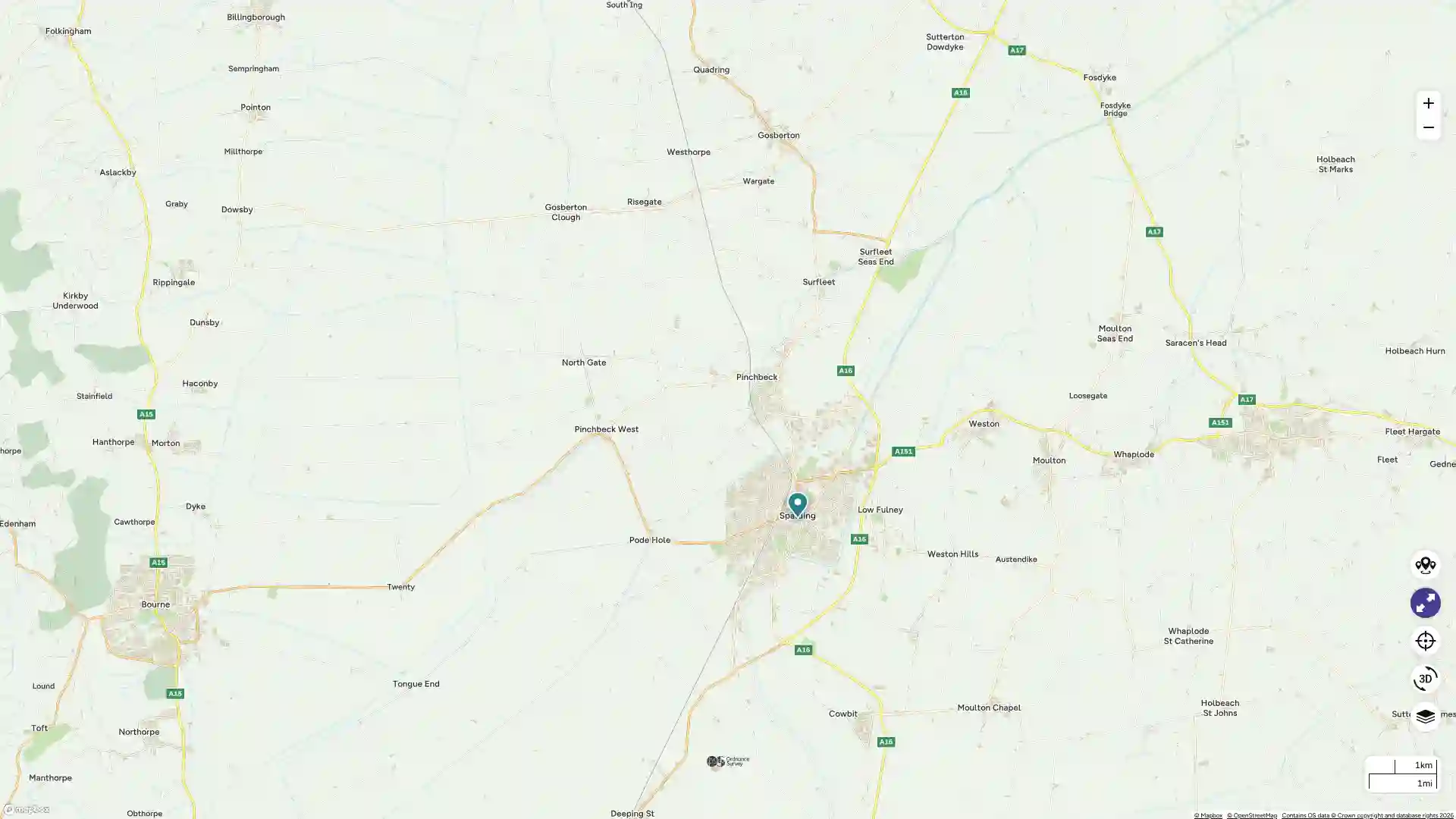
Lincolnshire is not a compact county where most jobs sit within one main urban area. It works as a spread-out county built around places like Lincoln, Boston, Grantham, Skegness, Gainsborough and Spalding, with long distances between towns and a road network that matters far more than in denser areas. Lincolnshire County Council’s transport material says the county’s main roads include the A1, A15, A16, A46 and A158, and its Freight Strategy says the county is unusual in being one of the few UK counties without a motorway, with a road network still mainly based on single carriageway A-roads and B-roads. That is a major operational signal because county jobs here are often shaped more by travel time and route choice than by city-style kerbside pressure. (letstalk.lincolnshire.gov.uk)
That difference changes the work straight away. In Lincolnshire, the issue is usually not tower-block loading or dense central parking controls. It is more likely to be long mileage between addresses, slower A-road travel, seasonal visitor pressure on the coast, and whether the job sits in a market town, a rural village, a farming belt or a holiday area. Lincolnshire’s freight strategy is explicit that the county’s transport links are less developed than many other parts of the UK, and that matters in practical man-and-van terms because short item lists can still become long working days once the travel is factored in. (Lincolnshire County Council)
Major Towns and Property Types in Lincolnshire
Lincolnshire’s strongest county-level signal is that it does not revolve around one dominant settlement alone, even though Lincoln is the main city. The county transport material identifies major places such as Lincoln, Boston, Grantham and Skegness, while the Local Transport Plan consultation material also highlights the importance of links between Lincoln and market towns and the coast. In practical terms, that means Lincolnshire naturally produces several different job patterns at once: city and edge-of-city work in Lincoln, market-town domestic jobs in places like Louth or Sleaford, coastal holiday and caravan-related work around Skegness and Mablethorpe, and agricultural or food-chain linked work in the county’s rural belt. (letstalk.lincolnshire.gov.uk)
Lincoln is the clearest local anchor because it acts as the county’s administrative and service centre. Lincolnshire’s transport and infrastructure documents repeatedly identify Lincoln as a focal point for movement, and the county’s sustainability appraisal notes completed and planned transport projects such as the Lincoln Eastern Bypass, which underlines how much pressure the city places on the wider road network. In practical terms, Lincoln jobs are more likely to involve town-centre deliveries, apartment and terrace moves, student and mixed-use collections, and tighter urban access than many other parts of the county. (Lincolnshire County Council)
The coast is the second strong local signal. Official visitor sites describe Skegness as a major seaside resort, and Lincolnshire’s own visitor-economy reporting says the wider Greater Lincolnshire visitor economy reached £3.02 billion in 2024, while East Lindsey alone reported a local visitor economy value rising to £824 million. That matters because coastal Lincolnshire supports a very particular type of van work: holiday-let changeovers, caravan and chalet deliveries, hospitality supply runs, seasonal furniture moves and busier summer-period traffic that can make a normal route slower than the map suggests. (Visit Lincolnshire)
A third strong signal is the agrifood and freight economy. Lincolnshire’s electric vehicle and freight strategy material says freight and agriculture have specific importance in Greater Lincolnshire, noting the presence of a large agrifood sector, freight corridors and port access. That points to another real county job pattern: machinery and parts transport, food-business deliveries, rural commercial support and runs between industrial or agricultural premises that sit outside the usual residential removal profile. (Lincolnshire County Council)
Road Access and Driving Conditions in Lincolnshire
Lincolnshire’s road pattern is one of the clearest practical signals in the county. The Local Transport Plan consultation material says the main roads are the A1, A15, A16, A46 and A158, while the Freight Strategy adds that key freight roads include the A1, A17, A15, A16, A46 and A158. That matters because these routes shape how county jobs behave in real life. A move from Boston to Skegness, a collection from Grantham to Lincoln, or a delivery run into the coast can all look manageable in mileage terms but still become time-heavy because so much of the county relies on single-carriageway links. (letstalk.lincolnshire.gov.uk)
A realistic Lincolnshire scenario is a house move between two towns where the loading at each end is easy enough, but the main issue is that the route uses slower A-roads and you cannot sensibly stack another job around it. Another is a coastal delivery in summer where the town itself is easy to access on paper, but the approach is slower because of tourist traffic, holiday-park demand and the concentration of visitor movement on a small number of corridors. Lincolnshire’s own visitor and transport evidence supports that kind of pattern rather than the idea of a quick, densely networked county. (Visit Lincolnshire)
Lincolnshire’s freight strategy is particularly useful here because it plainly states that the county’s transport links are less developed than many other parts of the UK. In man-and-van terms, that means the day is often decided by route efficiency, fuel use and travel time between addresses rather than by central-city loading restrictions. It also means a local driver who understands which roads move well and which ones lose time can price jobs much more accurately than someone relying only on postcode distance. (Lincolnshire County Council)
Types of Van Jobs in Lincolnshire
Lincolnshire naturally supports a broad range of van jobs, but the mix is more distance-led and sector-led than in denser counties. House moves, furniture collections, white-goods deliveries, storage runs, garden and outbuilding clearances and market-town domestic jobs all make sense here because of the county’s spread-out settlement pattern and more house-led stock outside the main centres. The transport plan and freight strategy both support that view because they frame the county around dispersed towns linked by major A-roads rather than one dominant urban zone. (letstalk.lincolnshire.gov.uk)
There is also a second layer of work tied to the coast, tourism, hospitality and agrifood. The official Lincolnshire coast site and county visitor-economy reporting support the case for seasonal accommodation work, hospitality deliveries and holiday-area demand around places like Skegness and the east coast. The agrifood and freight strategy material supports a different layer again: rural commercial jobs, supply-chain support, food-business deliveries and agricultural-linked transport. That makes Lincolnshire more varied commercially than a simple “rural county” label suggests. (Visit Lincs Coast)
Areas Covered Around Lincolnshire
Lincoln
Boston
Grantham
Skegness
Gainsborough
Spalding
Jobs in Lincolnshire often move between these centres rather than staying tightly local. Lincolnshire’s own transport evidence and bus-strategy material identify Lincoln, Boston, Grantham and Skegness as core service centres and movement hubs, which reinforces the idea that the county works as a network of towns rather than one compact urban market. That is why route planning matters so much here. A move from Lincoln to Boston or a collection from Grantham into the Wolds is not unusual county work. It is normal Lincolnshire work. (letstalk.lincolnshire.gov.uk)
Why Local Drivers Matter in Lincolnshire
Lincolnshire rewards local knowledge because it is easy to underestimate the travel side of the job. A local driver is more likely to know which routes are genuinely efficient, where summer coastal traffic changes timings, and which town-to-town runs are harder to combine in one day. They are also more likely to recognise the difference between a straightforward house move in a residential market town, a hospitality delivery on the coast, and a rural commercial job serving the agrifood sector. That is exactly why local understanding matters more here than generic postcode quoting. (Lincolnshire County Council)
Opportunities for Van Drivers in Lincolnshire
For drivers, Lincolnshire can be strong territory because demand comes from several directions at once. There is straightforward domestic work across the county’s towns and villages, coastal and visitor-economy work on the east side, and freight and agrifood-linked commercial demand further inland. The downside is that weak planning gets punished quickly. A driver who prices only on mileage and ignores the county’s longer routes and single-carriageway reality can lose margin fast. Drivers who understand where the work clusters and how the road network shapes the day usually do much better. (Lincolnshire County Council)
Find a Driver in Lincolnshire
If you need a move, collection, delivery or clearance in Lincolnshire, the useful question is not just which postcode it is. It is whether the job sits in Lincoln or another main town, on the coast, in a rural village, or along one of the county’s slower long-distance A-road routes. That is usually what decides whether the booking is genuinely simple or more time-heavy than it first appears. Browsing local drivers and comparing quotes works best when the county is understood as a transport area, not just a large pin on the map. (letstalk.lincolnshire.gov.uk)
Prefer to get quotes instead?
Choose the service you need, fill out a quick form, and request quotes for your job.