Glasgow
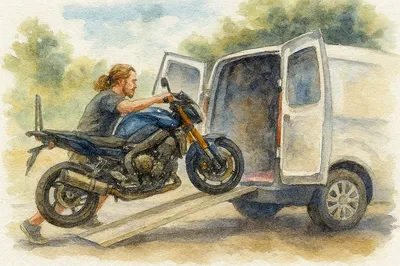
On the Clyde, where heavy industry built a city, Glasgow still respects a move done with timing, nerve and the right kit.
Glasgow
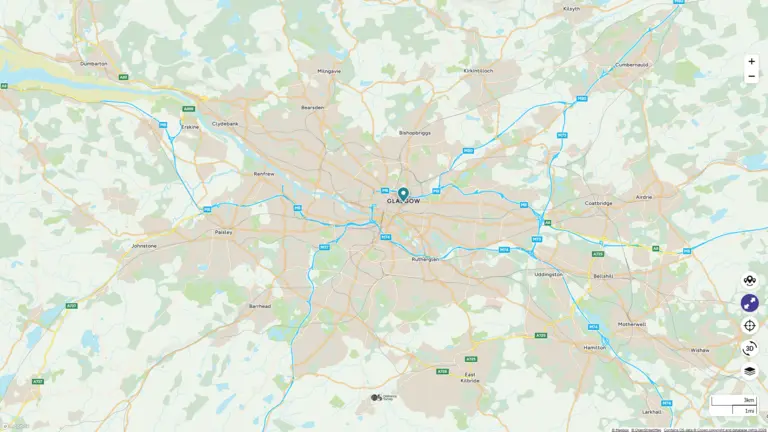
Useful Information on
Glasgow

Population
Major Towns & Cities
Major Routes
Tolls & Charges
Traffic Pinch Points
Airport Access
Urban / Rural Split
Universities & Colleges
Major Retail Areas
Man and Van Services in Glasgow
Moving goods in Glasgow is rarely about distance. It is about stairs, parking, and the M8 behaving itself. A job that looks simple on a map can quickly turn into a long shift of carrying furniture up sandstone stairwells and circling the block looking for somewhere legal to stop the van. The city is full of traditional tenements, tight one-way systems, and busy arterial roads, so a short move between neighbourhoods can take far longer than expected.
Drivers working across the city learn very quickly that Glasgow transport is about knowing the obstacles. Whether it is navigating the Low Emission Zone in the city centre, avoiding a motorway standstill at the Kingston Bridge, or carrying appliances up four floors of stairs in Shawlands, the job is as physical as it is logistical. Through VanHub UK, customers can connect with local drivers who already understand these realities and plan their routes around them.
Where the Work Happens
West End – Hillhead, Partick and Dowanhill
The West End is one of the busiest areas in the city for removals work. The large student population around the University of Glasgow means flats are constantly changing hands, particularly in June and September.
The challenge here is the tenement buildings. Most flats sit two to four floors up with no lift, and the staircases are long and narrow with tight half-landings. Drivers often talk about the “turn of the stair,” because large items such as wardrobes or corner sofas sometimes will not make the corner unless they are angled carefully. It is common for furniture to be dismantled on the pavement before it even enters the building.
Parking around Byres Road and the surrounding streets can also be difficult. Vans often have to stop a street or two away and move everything using sack trucks or dollies.
City Centre and Merchant City
The centre of Glasgow generates a different kind of transport work. Office moves, hotel deliveries and courier drops are common, but the entire central area is covered by the Glasgow Low Emission Zone. Older diesel vans that do not meet Euro 6 standards cannot legally enter the zone without triggering a fine.
Drivers working in this area rely on quick loading and unloading because parking wardens patrol constantly. A common tactic is working in pairs, with one person staying with the van while the other runs items inside.
Southside – Shawlands and Govanhill
The Southside is another tenement heavy area where residential moves dominate. Streets around Pollokshaws Road and Victoria Road are often full of parked cars, so positioning a van can be difficult. It is not unusual for drivers to double park briefly while unloading large items.
Many flats here sit three or four floors up. Carrying a washing machine or American fridge up a stone stairwell is common, and experienced drivers always bring heavy duty sack trucks to help manage the weight.
East End – Parkhead and Dalmarnock
The East End has a mix of industrial estates, new housing developments and older residential streets. Work here ranges from warehouse courier runs to furniture deliveries into new apartment blocks.
The new developments near Dalmarnock can cause their own problems. The estate roads are narrow and often full of parked cars, which means larger vans sometimes have to stop at the entrance and trolley goods the final distance.
The Road Reality
The M8 motorway cuts straight through Glasgow and acts as the main east-west artery across the city. In theory it should make travel between districts quick, but in practice it can be unpredictable. The section around the Kingston Bridge is especially notorious. When a breakdown happens on the elevated section, the entire motorway can grind to a halt and the surrounding streets quickly fill with diverted traffic.
Drivers who know the city often switch routes when this happens. The Clyde Tunnel provides an alternative path between the west and south sides, while Great Western Road can sometimes move faster than the motorway during peak congestion.
The M77 is the main route heading south towards Newton Mearns and East Kilbride, and the M74 carries traffic out toward Lanarkshire and beyond. Timing motorway entries correctly is important because the merging traffic between these routes can slow everything down during rush hour.
How Goods Actually Move
A large portion of goods entering Glasgow originate from regional distribution centres located outside the city. Areas such as Eurocentral in North Lanarkshire and the industrial parks around Livingston feed large volumes of freight toward the city every day.
Heavy goods vehicles typically handle the motorway sections, while smaller vans take over the final deliveries into residential areas. This final stage is where the real difficulty begins. Deliveries might involve navigating tight back lanes in Finnieston, unloading near busy shopping streets, or carrying furniture up several flights of tenement stairs.
Typical Man and Van Jobs in Glasgow
The type of work drivers handle across Glasgow varies throughout the year.
Common jobs include:
student moves around the West End universities
furniture collections from retail parks such as Braehead and Silverburn
office relocations in the city centre
household removals between suburbs like Dennistoun, Shawlands and Partick
urgent courier deliveries between warehouses and businesses
A Practical Scenario
A typical job might start with a collection from a furniture warehouse at Braehead. The driver heads east along the M8 before exiting toward the city centre, aiming to beat the late morning traffic.
The delivery address is a second-floor flat in Shawlands. Parking near the building is limited, so the driver stops half a block away and unloads using a sack truck. Once inside the building the real work begins. The sofa will not make the tight turn on the first stair landing, so it has to be tilted vertically and carefully manoeuvred around the corner before reaching the flat.
Moves like this are routine in Glasgow and can easily take twice as long as the driving itself.
Access Problems Across the City
Glasgow’s architecture creates a number of practical access challenges for transport work.
Traditional sandstone tenements often have very high ceilings, which means the staircases are long and steep. Even when a flat is only on the third floor, carrying large items up the stairs can be physically demanding.
Parking enforcement is another issue. Many residential streets use permit zones, so drivers must carefully choose where they stop the van. In busy areas the vehicle may need to stay attended at all times to avoid tickets.
The size of the vehicle also matters. Smaller vans are often used in narrow streets around the West End and Finnieston where larger vehicles would block traffic. For larger house moves in suburban areas like Bearsden or Giffnock, bigger box vans with tail lifts are common because they can handle heavy appliances and furniture more easily.
What Keeps Drivers Busy
Several factors keep transport work moving across Glasgow throughout the year.
The universities generate a large cycle of student moves every summer and autumn. Thousands of students relocate between halls and rented flats in the West End and surrounding districts.
The city’s retail parks also produce steady delivery work. Customers frequently buy large items that require immediate transport from stores to homes.
Finally, Glasgow’s dense population ensures constant residential moves as people relocate between flats and suburbs across the wider metropolitan area.
Working Across Glasgow
Drivers operating in the city quickly learn that the working day often involves several different environments. A morning might begin with a courier collection from an industrial estate on the outskirts, followed by a furniture delivery into a tenement building, and end with a short residential move between neighbouring districts.
Understanding the road layout, the parking restrictions, and the structure of the buildings is just as important as the driving itself. Local knowledge makes a significant difference when planning the quickest route or deciding where a van can safely stop.
Find a Man and Van Driver in Glasgow
Finding reliable transport in the city is easier when using a platform that connects customers with local operators. VanHub UK allows customers to browse drivers working across Glasgow, compare vehicle sizes and request quotes based on their specific needs.
Whether arranging a flat move in the West End, a courier delivery across the city centre, or a furniture collection from a retail park, VanHub UK helps connect customers with drivers who already know how to navigate Glasgow’s streets and staircases.
Prefer to get quotes instead?
Choose the service you need, fill out a quick form, and request quotes for your job.